Babies Rolling Over In Sleep
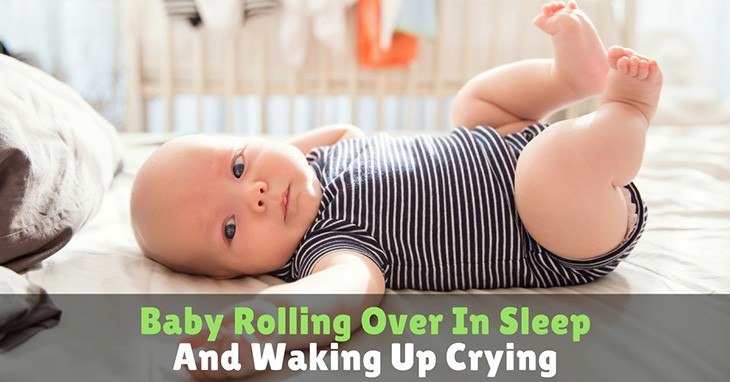
Babies Rolling Over In Sleep. But with the right precautions, it's totally fine — and you'll both be able. A wide range of rolling behaviors is typical, and most babies roll over for the first time between 2 and 4 months of age.
Things Babies Are All About
Babies are considered to be the smallest member of the human race. While the term "baby" is generally used to refer to human offspring, the term infant could also refer to juveniles of other species. Most infants are younger that one month old. However, there are exceptions to this norm. Any infant less than one month and a half old is deemed to be a child.
Baby's first time to test
Babies' First Test is an online platform that connects parents and healthcare professionals to assist in the newborn screening process. It includes educational resources from across the U.S. and answers frequently asked questions. The website also features the stories of the family and guides to help families navigate through the process. A simple search of "baby's first test" will yield some related websites. This test is designed to test the auditory brain stem of your baby that forms part of the brain stem that can transmit sound signals from in the ear and to the brain. It involves placing a miniature probe into the baby's ear, playing a sound, and observing the response to the sound. The test isn't painful, and your baby will not feel any sensation. Following the initial screening, your child's results will be kept in a secure, locked spot for two years. This permits the results of the test to be reviewed and improved upon. In addition, it allows the lab to conduct the quality-assurance and research tasks. After two years, all the samples will be destroyed.
Apgar score
An Apgar score for infants is a quick evaluation of the infant's health. It can be given just one minute following birth, or even in the event of reperfusion. It's a useful resource for parents and healthcare practitioners alike. However, it should not be used to replace in medical care. Apgar scores are calculated based on the sum of a variety of factors. A low Apgar score signifies that the baby is at an increased risk for medical intervention however, it's not necessarily evidence of an undiagnosed medical issue. In reality, many babies have an unsatisfactory Apgar score despite being very healthy. Your doctor can explain why you should worry, but keep in mind that this number isn't an exact indicator of health behaviors, behaviours, or personality.
Sleep patterns
Baby sleep patterns are different depending on the time of night. It's dependent on the individual baby and what they need. For instance, some babies are more restful at night that others, whereas some may sleep for between four and 5 hours a day. While adults can rest for hours without having to wake up however, a baby is more likely to get up at least a few times in the course of the night. It is crucial to keep in mind that genetics can influence babies' sleep patterns and temperament. Some babies are more difficult sleeping and may become more frustrated. Some babies are more open to changing their sleep patterns than others. Genetics also have an impact on certain aspects of sleep for example, how long you sleep at night. Other than genetics, environmental factors can also impact a baby's sleeping habits. Two studies of 6-month-old babies found that genetics could explain 50 percent of the differences between individuals in nighttime sleep duration, while environmental factors contributed to the remaining half. The length of a sleeping cycle could be as brief even as 45-minutes. The newborn's sleep pattern is characterized by frequent wake-ups and sleeping lightly.
Sensation
Babies use their senses learn, develop relationships with their family members and explore the world. To Lise Eliot Ph.D. the author of What's Going On There The Way the Brain and Mind Develop during the first five years of Life, your child's s senses develop in the womb. These senses become stronger and more sophisticated as your child grows. The vestibular system is able to detect movements through the inner ear receptors. The proprioception sensor helps your child become aware of the position of his body and develops with movement-inducing activities. These activities help improve the baby's senses and will improve his coordination focus, balance, and coordination.
Diseases
The very first events in life can impact the physiology of a person and put them at risk for developing diseases. One major aspect of these "programmed consequences" is early nutrition. The department of developmental origins healthy and disease (DOHAD) addresses this issue. In addition , to the more traditional natural causes of disease other factors outside of genetics can impact the development of a child. The early times in medical history, diarrhoea, tuberculosis, and tubercul mortalities among children. Victorians were unaware of the fact that bovine tuberculosis could be an epidemic of social concern that killed millions of people. The most affected were children. The airborne illness thrives within overcrowded dwellings and is usually transmitted via milk. Before 1930, milk related illnesses were responsible for approximately 30 per cent of tuberculosis related deaths among infants.
Nutrition
One of the most crucial ways to feed your infant is providing diverse healthy meals. Fresh fruits and vegetables are excellent sources of nutrients . They help accelerate growth. A child's diet should be rich in nutrients, such as whole grains. When you are eating, be sure to choose those which are low in sodium. It is vital to provide the right nutrition to your baby throughout this crucial stage. A baby's first few months are filled with fast growth and change, and a balanced diet is crucial to ensure optimal growth and organ development. In addition to providing the appropriate foods for your infant, you should also use positive feeding strategies to help develop a healthy attitude toward food and encourage healthy eating habits. It is important to ensure that your infant is receiving adequate amounts of brain-building nutrients and growth stimulants such as vitamin A, D, and B6, along with the fiber and protein. Additionally, infants require zinc, iron folate, iron, prebiotics, and folate.
Make one tiny mistake in his or her training. She has great neck strength and can turn side to side, so her pedi has. Make one tiny mistake in his or her training and your child’s.
This Is One Of The First Exercises Your Little One Will Ever Have, And It's Vital For Their Physical.
My lo is 17 weeks old and has been rolling onto her belly for the last couple weeks, while awake (she can't roll back onto her back yet). When your baby starts rolling over during sleep, you may have concerns about sids or lack of adequate rest. Put baby to sleep on back.
She Has Great Neck Strength And Can Turn Side To Side, So Her Pedi Has.
When do babies roll over? What to do when your baby rolls in their sleep tummy time. It is important to… practice tummy time.
Method 1 Handling Roll Over With Bedtime Routine 1 Put Your Baby To Sleep On Their Back.
But with the right precautions, it's totally fine — and you'll both be able. The first thing that you can do is to make sure that your baby is sleeping on a firm surface. Tonight, she started rolling over in her.
You Can Expect Babies To Start Rolling Over In Their Sleep When They Start Rolling Over Elsewhere.
You should put your baby to sleep on their back for… 2 avoid putting your baby on their side or. Always place your baby on his or her back to sleep, not on the stomach or side. The rate of sids has gone way down since the aap introduced this recommendation in 1992.
Baby Starts To Cry After Rolling Over When She Is.
It usually takes them until about 5 or 6 months old to. Why does your baby roll over in. Make one tiny mistake in his or her training.
Post a Comment for "Babies Rolling Over In Sleep"