Gi Tube For Babies
Gi Tube For Babies. The scientific evidence supporting practices around this. It's one of the ways doctors can make sure kids who have trouble.
What Babies Are All About
They are the youngest of members of the human species. Although the term "baby" is commonly used to refer to human offspring, infant may also be used to refer to young individuals of other species. They are generally less than one-month old. But, there are exceptions to this norm. The infant who is less than one month young is considered to have been born.
Baby's first test
"The Baby's First Test is an online platform that connects parents and health professionals in the newborn screening process. It provides educational resources from across the U.S. and answers frequently asked questions. The website also includes parents' stories as well as guides to help families navigate the process. A simple search of "baby's very first exam" will yield the list of resources related to it. The test will test the auditory brain stem of your baby which is the neural pathway that transmits sound from in the ear and to the brain. The test involves placing a small probe inside the baby's ear by playing a song, and watching the responses to the sounds. The test is painless, and your baby won't feel anything. After the initial screening, your child's samples will be stored in a secure, locked place for at least two years. This permits the results of the test to be assessed and improved on. In addition, it allows for laboratories to conduct studies and quality control. After two years the samples are destroyed.
Apgar score
Apgar score for babies. Apgar score for babies is a quick check on the condition of a baby's body. It is available for just minutes after birth or even as a the event of resuscitation. It's an excellent device for parents and healthcare personnel alike. However, it should not be used to substitute for medical care. Apgar scores are determined by the sum of a variety of factors. A unsatisfactory Apgar score indicates that the baby is at danger of needing medical intervention, however, it's not necessarily a sign of an underlying medical problem. In fact, many newborns have very low Apgar score despite being perfectly healthy. Your physician will explain why you should worry But remember that this number isn't a definitive indicator of long-term health and behavior or personality.
Sleep patterns
The baby's sleep patterns vary each night. It's all dependent on each baby's needs and preferences. For instance, some babies sleep less at night than others, and some may sleep four or five hours a day. Even though adults can stay asleep for a long time without awakening but a child is more likely to wake up many times throughout the night. It is crucial to keep in mind the fact that genetics can impact a baby's sleep patterns and temperament. Some infants have more difficulty sleeping and may become more frustrated. Some babies are more responsive to changing their sleep patterns than others. Genetics may also impact certain aspects of the sleep cycle including how long they sleep at night. Other than genetics, environmental aspects can also influence a baby's sleeping patterns. Two studies of babies as young as 6 months discovered that genetics might be responsible for half of the individual variation in sleep duration at night, while environmental influences accounted for the remaining half. The duration of a night's sleep cycle could be as brief as 45 minutes. The sleep cycle of newborns is characterized by frequent wake-ups and little sleep.
The senses
Babies use their senses to develop, interact with their caregivers and explore their world. The research of Lise Eliot Ph.D. She is also the co-author of What's Happening in There: How the brain and mind develop in the First Five Years of Development, your child's sensory abilities are developed in the womb. They develop stronger senses and more refined as your child grows. The vestibular system senses changes in the ear's inner receptors. Proprioception can help your baby become aware the body's position and can be developed by movements-inducing activities. These activities will help boost your baby's sensory skills and improve his or her coordination to balance and concentration.
Infections
The earliest moments of life could affect the physiology of an individual and lead to the development of diseases. One major aspect of these "programmed impacts" is the early nutritional intake. The area of the developmental origins of well-being and illness (DOHAD) investigates this problem. In addition to the standard inheritance of diseases Other factors, such as non-genetic, can affect the development of a child. The early times in medical history, tuberculosis and diarrhoea were major killers in children. Victorians were unaware of the fact that bovine tuberculosis was unavoidably a social issue that claimed the lives of millions of people, particularly children. This disease is prevalent in homes with a high population density and is typically transmitted through milk. Prior to 1930, milk-related illness was the cause of about 30 per cent of tuberculosis cases among infants.
Nutrition
Of the important things you can do to feed your baby is to give him an assortment of healthy and nutritious foods. Fresh fruits and vegetables are excellent sources of nutrients and help to enhance growth. The diet of a baby should be rich in nutrients such as whole grains. When eating food, make sure to select those with a low sodium content. It is vital to ensure adequate nutrition to your baby during this critical time. A baby's first few months are packed with rapidly growing and developing and a balanced diet is vital for optimal growth and organ development. While providing proper nutrition for your child, you should also use positive techniques for feeding to instill the habit of eating healthy and encourage good eating habits. You should make sure that your infant receives adequate amounts of growth-promoting and brain-building nutrients like vitamin A, D B6, and D as well as protein and fiber. Also, infants need iron, zinc folate, iron, as well as prebiotics.
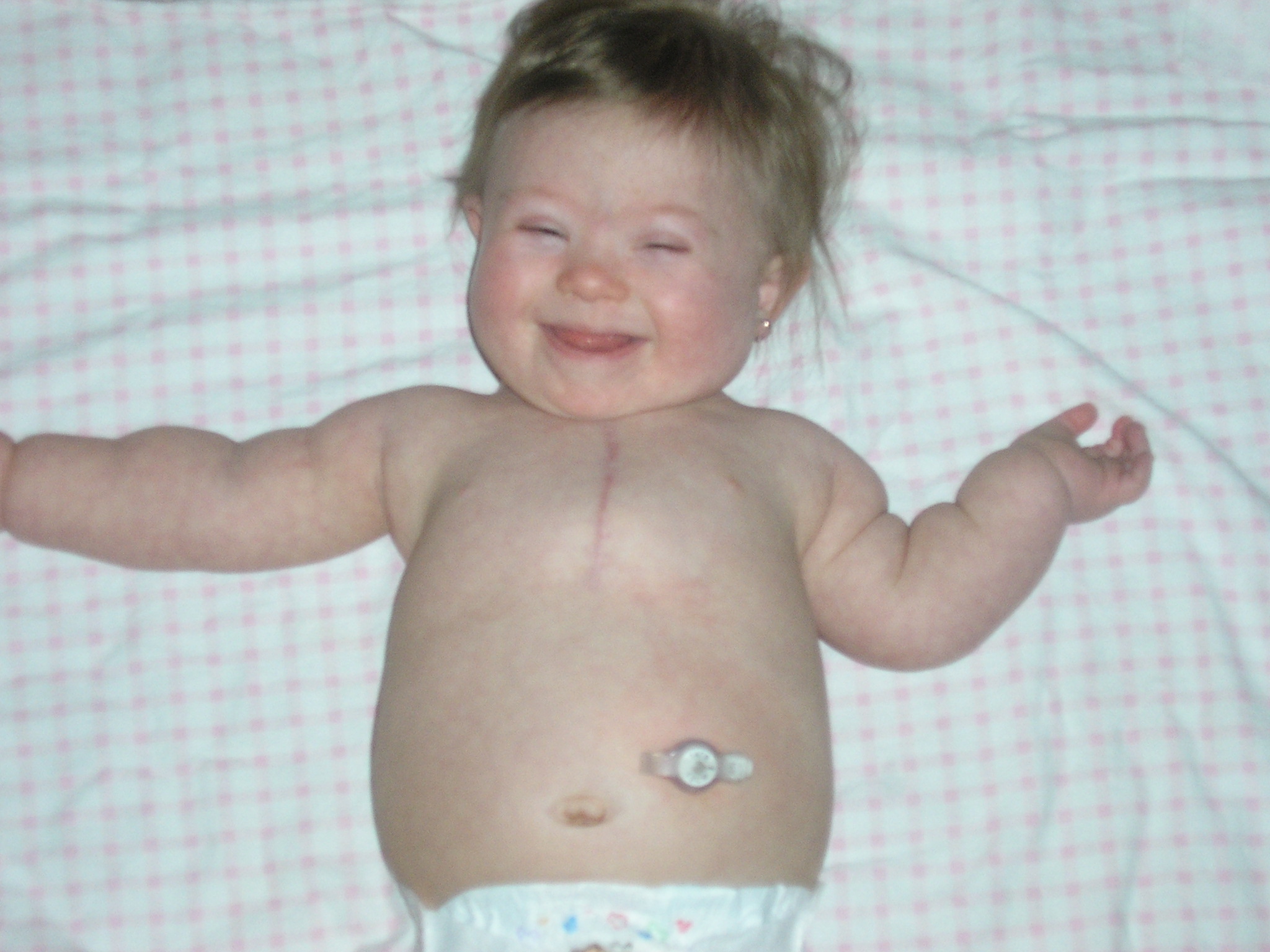
This tube does not need to be. A feeding tube is used for infants who do not have the strength or muscle coordination to breastfeed or drink from a bottle. The more thickness means the better performance and long.
Orogastric Tube, Or Og Tube, Is The Same Tube.
However, this type of tube is temporary and typically isn’t in place for longer than 6 weeks at the most. Initial feedings in the nicu are often via an oral or nasal gastric tube. Tube feeding your baby a nasogastric tube is thin, soft, and flexible.
This Tube Provides Another Way To Offer Food And / Or Medicines.
What is a gastrostomy tube? It also can be used to vent your. The more thickness means the better performance and long.
A Gastrointestinal Tube Is Placed Into Your Child's Body By An Interventional Radiologist Or A Pediatric Surgeon During A Procedure Called A Gastrointestinal Intervention.
Don't you get tired of watching 👶 cry babies 💧 magic tears 💧? There are other reasons why an infant might need a feeding. It delivers nutrition (food) and medicines until your child can chew and.
A Feeding Tube Is Used For Infants Who Do Not Have The Strength Or Muscle Coordination To Breastfeed Or Drink From A Bottle.
Always wash your hands before and after handling your. It's one of the ways doctors can make sure kids with trouble. The scientific evidence supporting practices around this.
These Nutrients Are Calories, Protein, Carbohydrates, Fat, Vitamins, Minerals And.
This method of feeding can go on for weeks for most infants. It's one of the ways doctors can make sure kids who have trouble. This tube does not need to be.
Post a Comment for "Gi Tube For Babies"