When Do Babies Prefer Parents
When Do Babies Prefer Parents. It’s actually quite common and can be due to a number of reasons. I have held babies that fussed for both parents for hours.then i take over and their infant is silent and asleep in a few minutes.
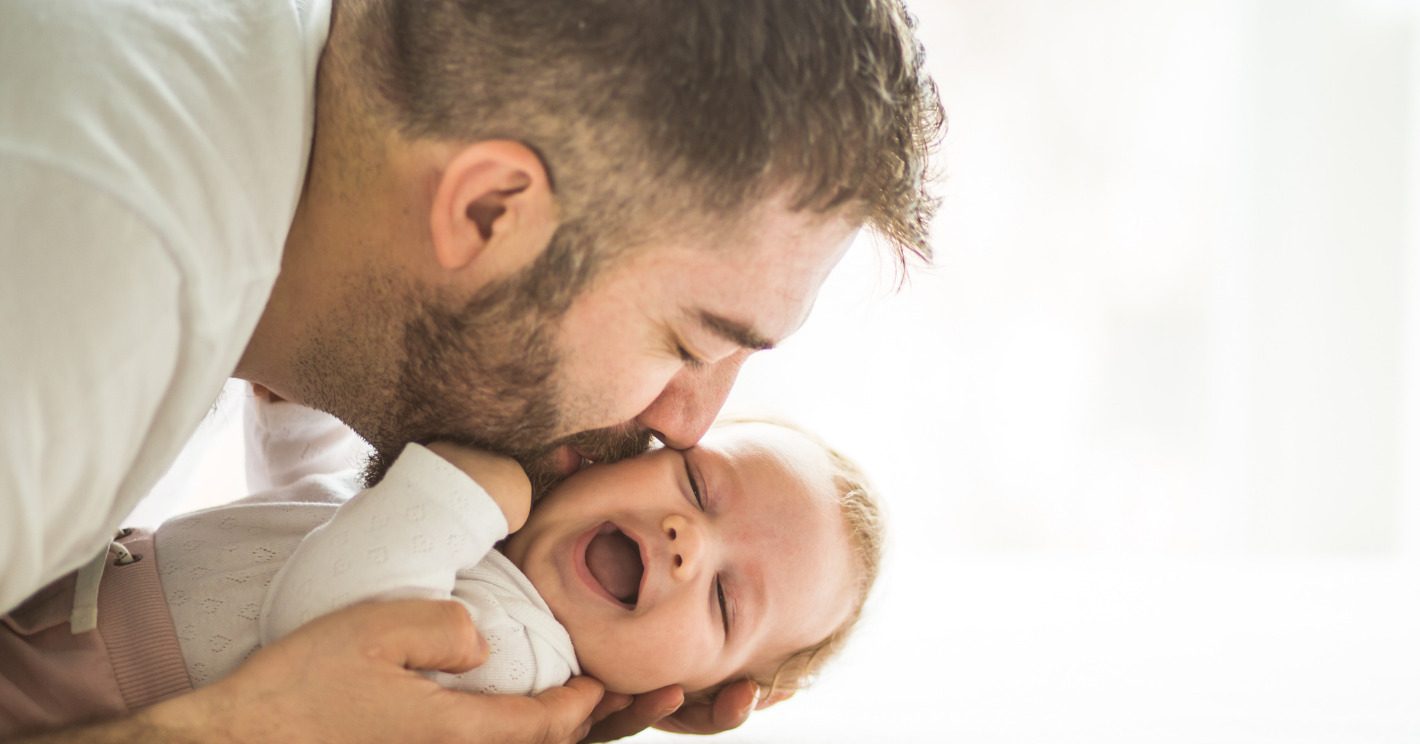
What Babies Are All About
Babies are considered to be the smallest member of the human species. Although the term "baby" is commonly used to refer to human offspring, it can also be used to mean juveniles from other species. In general, infants are younger the age of one year. However, there's a few exceptions to this norm. An infant under a month and a half old is deemed to be a child.
Baby's first time to test
"Baby's" First Test is an online platform that connects parents and health professionals throughout the newborn screening process. It contains educational resources from all over the U.S. and answers frequently asked questions. The site also features information for families as well as guides to aid families in understanding the process. A simple search of "baby's the first time to test" will reveal several related resources. This test is designed to test your baby's auditory brain stem, which is part of it's nerves that carry sound signals from inside the ear canals to the brain. It involves putting a small probe inside the baby's inner ear then playing the sound and then observing the reaction to the sounds. The test is painless, and your baby will never feel any sensation. After the initial screening your child's sample will be stored in a locked, secure space for at minimum two years. This allows the test results to be reviewed and improved on. In addition, it allows the lab to conduct research and quality assurance. After two years, the sample can be destroyed.
Apgar score
It is the Apgar score for infants is a quick evaluation of a newborn's health. It can be administered just the minute after birth or even in the event of breathing or resuscitation. It is a valuable option for parents as well as healthcare providers as well. However, it should not be used to replace in medical care. Apgar scores are determined by the combination of various factors. A high Apgar score suggests an infant is at high risk of having medical intervention however it's not signalling an underlying medical issue. Many babies are born with very low Apgar score, while being well-behaved. Your doctor will tell you reasons to be concerned however, remember that this score will not be an absolute indicator of health as well as behavior or personality.
Sleep patterns
Baby sleep patterns are different depending on the time of night. It's contingent on the individual baby's needs as well as their age. For instance, some babies sleep less at night than others. Likewise, some may sleep four or five hours per day. While adults can rest for hours without awakening but a child is more likely to wake up several times during the night. It is essential to recognize that genes can alter the pattern of sleep a baby has and temperament. Some babies are more difficult sleeping and may be more upset. Some babies are more flexible to changing their sleeping patterns than others. Genetics also have an impact on certain aspects of sleep like how long they are asleep. Aside from genetics, environment influences can also impact a baby's sleeping patterns. Two studies of babies who were 6 months old discovered that genetics may be the reason for about half the variation in the duration of nighttime sleeping, however, environmental factors account for the remainder. The length of a sleep time can be as short even as 45-minutes. The newborn's sleep cycle is defined by frequent wake-ups and short sleep.
Senses
Baby's senses are used by babies to grow, connect with parents and explore their world. The research of Lise Eliot Ph.D. the author of What's Up in There The Way the Brain and Mind Develop during the first five years of Childhood, the child's senses develop in the womb. The senses get stronger and more developed as your child develops. The vestibular system senses movement via the inner ear receptors. The sense of proprioception assists your child become aware of the body's position and can be developed by activity that induces movement. These activities can help increase the baby's sensory system and enhance their coordination as well as balance and concentration.
Diseases
Early life events can affect a person's physiology and expose them to the risk of developing disease. One major aspect of these "programmed impacts" is the early nutritional intake. The department of developmental origins the disease and health (DOHAD) explores this topic. In addition , to the more traditional diseases that are inherited Non-genetic causes can impact the development of a child. The beginning of medical history was when diarrhoea along with tuberculosis are major child killers. Victorians did not realize that bovine tuberculosis could be a problem of society that claimed the lives of millions of people. It was particularly deadly to children. The airborne illness thrives in overcrowded homes and is frequently transmitted via milk. Prior to 1930, milk-related disease was responsible in around 30 per cent of deaths from tuberculosis among infants.
Nutrition
one of the most crucial aspects of feeding your child is to give them an array of nutritious foods. Fresh fruits and vegetables are a great source of nutrients . They can also accelerate growth. The baby's diet should be rich in nutrients such as whole grains. When you are eating, be sure to select the ones with a low sodium content. It is crucial to provide adequate nutrition for your baby during this critical time. The first months of your baby's life are full of explosive growth and developmental, so ensuring that your baby is fed properly is crucial for healthy organ development and growth. In addition to providing appropriate foods for your infant, you should also use positive methods of feeding to create an attitude towards food that is healthy and encourage healthy eating habits. You should make sure that your infant is receiving adequate amounts of growth-promoting and brain-building nutrients such as vitamin A D B6, as well as protein and fiber. Additionally, infants need iron, zinc folate, iron and prebiotics.
I have held babies that fussed for both parents for hours.then i take over and their infant is silent and asleep in a few minutes. Babies’ senses of smell and hearing develop sooner than sight, and they tend to rely on those to recognize loved ones. A move, a new job, bedrest,.
A Move, A New Job, Bedrest,.
It has nothing to do with a true preference for a parent. Shutterstock “most babies develop a preference for their. However, after ten months, the specificity of this preference decreases.
I Have Held Babies That Fussed For Both Parents For Hours.then I Take Over And Their Infant Is Silent And Asleep In A Few Minutes.
From 0 to 3 months, babies have an overwhelming preference for their mother’s breast milk. Most babies naturally prefer the parent who's their primary caregiver, the person they count on to meet their most basic and essential needs. This is usually due to the child’s age, needs, and the parent they associate as the primary caregiver.
Sometimes This Is Due To A Change In The Parenting Roles:
This is especially true after 6. It's not uncommon for children to prefer one parent over the other. When kids prefer one parent over the other.
It’s Actually Quite Common And Can Be Due To A Number Of Reasons.
First, most babies naturally prefer the parent who’s their primary caregiver, the person. Babies will often go through phases of preferring one parent over the other. Babies’ senses of smell and hearing develop sooner than sight, and they tend to rely on those to recognize loved ones.
Why Do Babies Prefer Their Dads?
Find out what can you do when your kids tend to prefer one parent over the other. Why the preference in parents one of the main reasons.
Post a Comment for "When Do Babies Prefer Parents"