Why Do Babies Have Flat Heads
Why Do Babies Have Flat Heads. Invariably sleep or lie with their heads turned to the same side spend a lot of time sleeping or. 3 3.flat head baby (plagiocephaly):
Things Babies Are All About
They are the youngest of members of the human race. Although the term "baby" is typically used to refer to human offsprings, the term "baby" could also refer to the young people of other species. In general, infants are younger that one month old. But, there are exceptions to this rule. A baby who is less than a month old young is considered to have been born.
Baby's first time to test
Babies' First Test is an online platform that connects parents and health professionals throughout the newborn screening process. It provides educational resources from across the U.S. and answers frequently asked questions. The site also has family stories and guides to help families navigate the procedure. A simple search for "baby's the first time to test" will give you the list of resources related to it. This test evaluates the auditory brain stem of your baby that is the nerve that transmits sound from the ears to the brain. The test involves placing a small probe into the ear of your baby while playing a sound and observing how the brain responds to the sound. The test is completely painless and your baby won't feel any sensation. After the initial screening the child's test results will be stored in a secured, locked location for a minimum of 2 years. The test results are able to be reviewed and improved upon. It also permits the lab to perform tests of quality and research. After two years the samples will be destroyed.
Apgar score
Apgar score for babies. Apgar score for babies is a short assessment of the infant's health. It is usually given within a minute after birth, or in response to an emergency resuscitation. It's a useful tool for parents and health providers too. However, it shouldn't be used to replace or substitute for medical treatments. Apgar scores are based on the sum of several factors. A high Apgar score suggests an infant is at high risk of having medical intervention but it is not necessarily an indication of an actual medical issue. In reality, lots of babies are born with very low Apgar score even when they're in good health. The doctor will inform you the reason you should be concerned, but keep in mind that this score isn't an exact indicator of health as well as behavior or personality.
Sleep patterns
The patterns of sleep for babies can differ over the course of the day. It's contingent on the individual baby's needs. For instance, certain babies have shorter nap times at night more than others, while others might sleep for four or 5 hours a day. While adults are able to sleep for hours without having to wake up but a child is more likely many times throughout the night. It is important to understand that genes can affect the pattern of sleep a baby has and temperament. Some babies have more trouble sleeping and can become more frustrated. Some babies are more responsive to changing their sleeping routines than other. Genetics can also alter certain aspects of the sleep cycle like how long they stay asleep at night. Alongside genetic factors, environmental influences can also impact a baby's sleeping habits. Two studies on babies aged 6 months observed that genetics could be responsible for one-half of the individual variance in nighttime sleep duration, however, environmental factors account for the remaining half. The duration of a night's sleep cycle could be as short by as short as 45 minutes. The newborn's sleep pattern is known for its frequent wake-ups and some light sleep.
The senses
Babies use their senses learn, develop relationships with their caregivers and discover the world around them. This is according to Lise Eliot Ph.D. the author of What's going on in There The Way the Brain and Mind Develop during the first five years of Life, your child's senses grow during the birthing process. They develop stronger senses and more refined as your child grows. The vestibular system detects movement using the inner ear receptors. Proprioception can help your baby to be aware of how their body is moving and can be enhanced through activity that induces movement. These activities will increase the baby's sensory capabilities and improve coordination with balance, concentration, and coordination.
Diseases
The very first events in life can alter a person's physiology and predispose them to disease. One significant aspect of these "programmed consequences" is nutrition at an early age. The research field of developmental causes of disorders and illnesses (DOHAD) is a research area that addresses this issue. Apart from the usual genetic causes of disease and disorders, other non-genetic influences can affect the development of children. The beginning of medical history was when tuberculosis and diarrhoea were major fatalities in children. Victorians were unaware of the fact that bovine tuberculosis was unavoidably a social issue that claimed the lives of millions of people, and especially children. This airborne disease thrives in crowded areas and is usually transmitted via milk. Prior to 1930, milk-related disease was responsible for nearly 30 percent of tuberculosis death among infants.
Nutrition
one of the most important methods of feeding your child is to offer diverse healthy meals. Fresh fruits and vegetables are an excellent source of nutrients . They can also increase growth. A baby's meals should contain foods with high levels of nutrients like whole grains. When you eat, make sure to select those with a low sodium content. It is vital that you provide an optimal diet for your child throughout this crucial stage. The initial months of a baby's development are filled with the rapid development and expansion, and a balanced diet is essential for the proper development of organs and growth. While providing proper food intake for your infant Also, it is essential to implement positive methods of feeding to create an attitude towards food that is healthy and encourage healthy eating habits. Be sure your infant gets adequate amounts of brain-building nutrients and growth stimulants such as vitamin A D B6, and A in addition to protein and fiber. In addition, babies require zinc, iron folate, iron, and prebiotics.
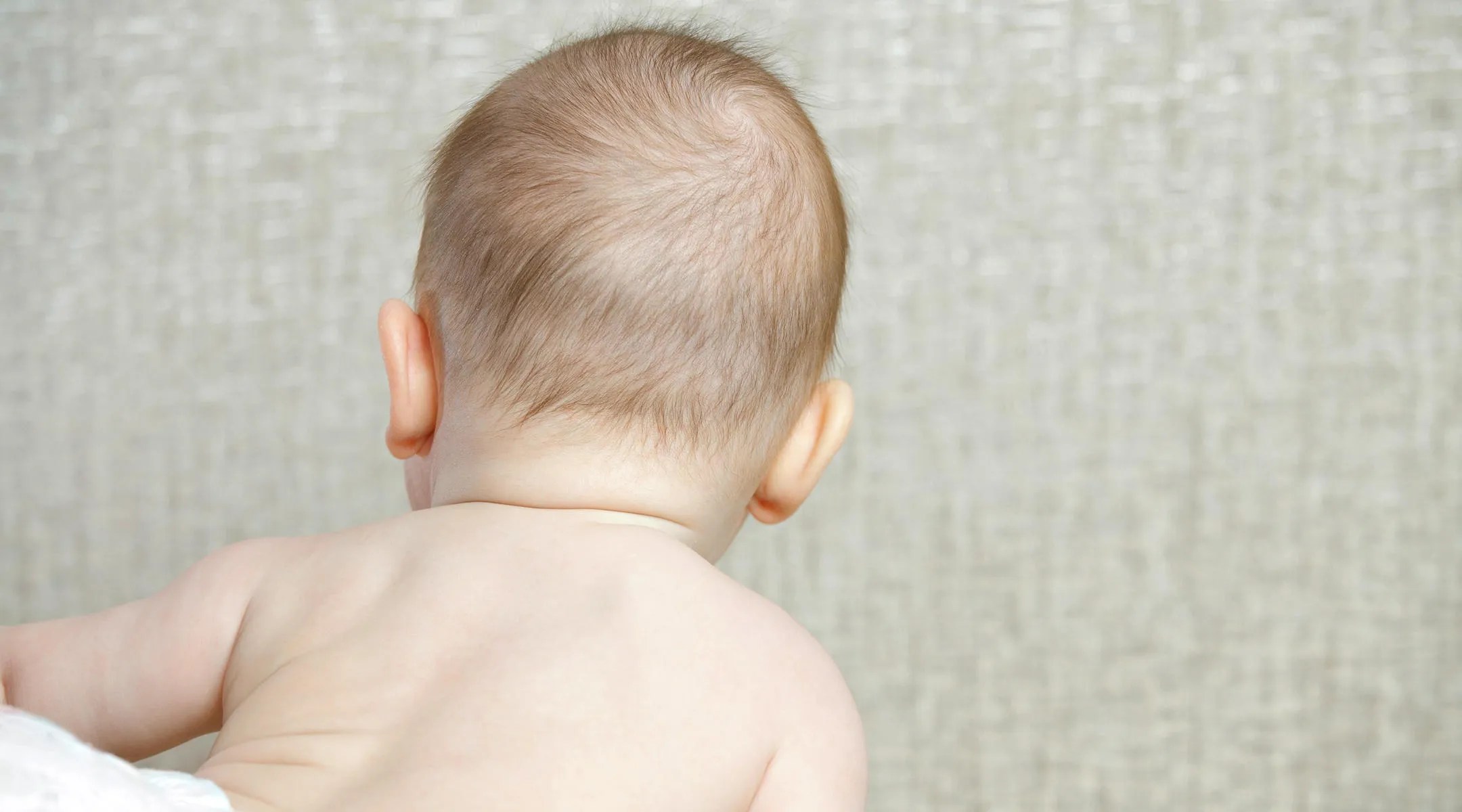
Flat head syndrome won’t affect your baby’s brain development, just the shape of their head. A baby’s skull is very soft and the bones can be affected by pressure. “like this.” she then turned to the side and pushed the hair down on the back of her head, revealing to me that it was remarkably flat.
It Is More Common Now That Babies Sleep On.
Flat head syndrome won’t affect your baby’s brain development, just the shape of their head. Positional plagiocephaly is a condition in which a flat spot develops on a baby’s head. “no, it’s to make the back of its head flat,” she replied.
Premature Babies And Multiples Are More Likely To Experience Flat Head Syndrome.
Invariably sleep or lie with their heads turned to the same side spend a lot of time sleeping or. An infant's head is very moldable until approximately 18 months old. Other causes of a flat head that occur after birth include:
What Can A Parent Do To Prevent A Flat Head In Their Baby?
Babies also have weak neck muscles and usually turn their heads to one side when placed on their back. Flat head syndrome can also be temporary from birth, but this will. Because a baby's skull is malleable, a tendency to rest the head in the same position can result in an uneven head shape.
Plagiocephaly, Sometimes Called Flat Head Syndrome, Refers To The Flattening Of One Of The Soft Skull Plates Of A Baby’s Head.
It is a very common condition and is. Meaning if babies have a preference of laying on a certain side of their head or just always flat on the back of the head, that part of the. Infants are on their backs for many hours every day, so the head sometimes flattens in one spot.
According To The Website Of The Johns Hopkins All Children’s Hospital In The Us State Of Florida, The Most Common Cause Of A Flattened Head Is A Baby’s Sleep Position, From Lying Regularly In.
A rare condition called torticollis can lead to flat spots. Plagiocephaly is a condition that causes a baby’s head to have a flat spot (flat head syndrome) or be misshapen. Until that time, these bones remain soft and malleable.
Post a Comment for "Why Do Babies Have Flat Heads"